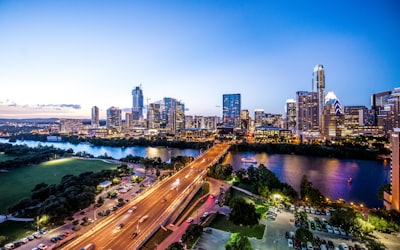
Clarksville was founded in 1871 by Charles Clark, a freed slave, making it one of Austin's oldest African-American freedmen's communities. Today it's one of the city's most sought-after residential addresses, a National Historic District of cottage homes, mature pecan trees, and quiet streets that sit improbably close to downtown.
West 6th Street and West Lynn form the neighborhood's commercial spine, lined with restaurants, wine bars, and boutiques that attract residents citywide. Whole Foods Market, which started in Austin, is nearby. The combination of authentic character, walkability, and proximity to downtown drives some of the strongest per-square-foot pricing in the city.
Clarksville is where Austin's most design-conscious buyers choose to put down roots. Tree-canopied sidewalks, dinner at Jeffrey's or Josephine House, a morning walk to the farmer's market, it's a neighborhood that rewards those who love living well.
The neighborhood's mature pecan trees create a canopy that makes every walk feel like a different city. Irreplaceable and protected.
Jeffrey's, Josephine House, and Italic are all in or near Clarksville. West Lynn's wine bars are neighborhood institutions.
The Triangle, Whole Foods, and downtown are all walkable. Clarksville is one of Austin's most genuinely pedestrian-friendly addresses.
The neighborhood association is active and the community is tight-knit. There's a pride of place here that's rare in fast-growing cities.
Clarksville homes rarely appear on the open market, many trade through agent networks and word of mouth. My relationships in this neighborhood give my clients access that a standard property search simply won't find.
Contact Liz
Streets, schools, what is coming to market and what trades privately in Clarksville. Ask Liz directly.
Liz Reyna, @properties Lone Star, Christie's International Real Estate. Replies the same day.